A high-net-worth divorce generally refers to the dissolution of a marriage where the marital estate exceeds $1 million in liquid assets. This threshold encompasses not just cash, but also real estate holdings, business interests, diversified investment portfolios, retirement accounts, intellectual property and valuable luxury items such as art collections and fine jewelry.
High-net-worth divorces are distinct from standard proceedings because of the complexity and magnitude of assets involved. They can present the following heightened challenges:
- Complex asset valuation — One of the challenges in high-net-worth divorces is accurately valuing the marital assets that are subject to equitable distribution. Businesses require forensic accountants or valuation experts to determine their worth, taking into account current earnings and potential for future growth. Stock options, restricted shares or international investments add further complexity and may need specialized financial professionals familiar with global markets. This valuation process can be major sources of disagreements between spouses.
- Tax implications — The division and transfer of high-value assets can create significant tax liabilities. Moreover, a misstep in dividing a retirement account can result in unintended taxes or penalties. The sale or transfer of appreciated assets like real estate or stocks can generate capital gains taxes. Skilled attorneys and financial planners are essential to navigate these potential pitfalls and to structure asset division in a way that lessens adverse tax consequences.
- Hidden or offshore assets — Parties in high-net-worth divorces may be incentivized to hide assets to shield them from division. This can involve funneling money into offshore accounts, using complex trusts or undervaluing business interests. Detecting such actions requires forensic accountants and legal intervention, which can prolong and intensify the process.
- Spousal maintenance — Because the standard of living enjoyed during the marriage often sets the baseline for spousal support, affluent divorces may result in significant ongoing financial obligations. The calculation considers not only income but also the accustomed lifestyle, which can lead to protracted negotiations or litigation.
- Privacy concerns — High-net-worth individuals may have legitimate concerns about business confidentiality or public exposure of their private finances. This often leads to the pursuit of alternative dispute resolution methods such as mediation or private settlement agreements that keep details out of the public record.
- Custody and children’s welfare — When there are children of the marriage, maintaining their educational opportunities, extracurricular activities and general well-being becomes particularly important. Each parent may seek to ensure continuity and stability for their children, which further complicates negotiations.
- Legal and professional teams — High-net-worth divorces typically involve teams of legal professionals, financial planners, tax experts, pension evaluators and other experts. This not only increases the cost of the divorce but also its duration.
At The Law Offices of Randy S. Margulis, based in Williamsville and downtown Buffalo, we provide effective legal counsel for clients facing the challenges of high-net-worth divorces in Western New York. our team is dedicated to guiding you through this complex process, working for the best possible outcome. Call 716-886-9600 or contact us online to schedule an appointment.

As a Buffalo divorce lawyer for 28 years, I have devoted myself to solving the problems that affect families throughout the Buffalo metropolitan area and Western New York. As a family law attorney, I make it my goal to create a partnership of trust with my clients. People put their trust in me to handle cases that can potentially have a long-lasting impact on not only their lives, but the lives of their family as well.

Alexandra M. Rockwood has been with the Law Offices of Randy S. Margulis & Associates since early 2020. She primarily practices in the areas of matrimonial and family law, including divorce, child custody, and child support. Alexandra is a practicing matrimonial and family law attorney as well as a trained social worker. This combination of…
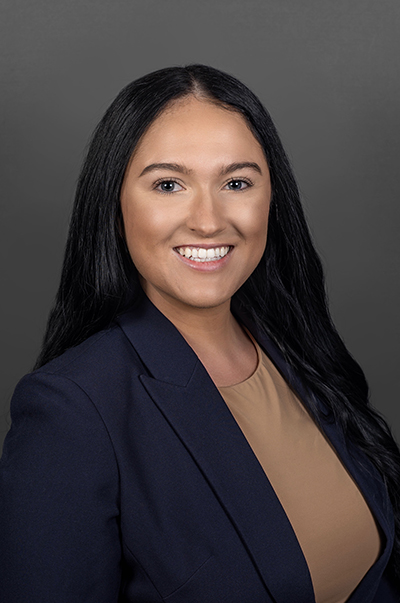
Ashleigh E. Lymburner is an Associate Attorney with the Law Offices of Randy S. Margulis & Associates, PLLC, and has been with the firm since August 2024. She primarily practices in the areas of matrimonial and family law, including divorce, child custody, and child support. Her experience includes serving a Judicial Externship under Judge Sharon…
-
 5.0/5.0
We use Mr Margulis for our estate planning and wills. He is exceptionally knowledgeable and communicates very well. We trust him with our trusts and will continue to use his services as long as we can. Thankfully we don’t need his divorce services,...
-
5.0/5.0
Divorce is always an unpleasant event and my case was no exception, yet the guidance, professionalism and ethical strategy that Randy Margulis provided was essential in finding the best solutions for my children, my ex-wife and myself. As the proces...
-
5.0/5.0
Divorce is always an unpleasant event and my case was no exception, yet the guidance, professionalism and ethical strategy that Randy Margulis provided was essential in finding the best solutions for my children, my ex-wife and myself. As the proces...
-
5.0/5.0
Randy Margulis is knowledgable of Domestic Law, dedicated, responsive, personable, aggressive and effective. I came to him on a friend's recommendation as well as Randy's reputation, and during the initial consultation I liked his approach and track ...
-
5.0/5.0
Found Mr. Margulis to be a very organized and professional individual to work with. He is well-respected by his peers and is spoken of highly, I believe this helped with my divorce and made things go smoothly. I would highly recommend his services ...