In New York, child support ensures that a child’s fundamental needs are met, such as housing, food, clothing and education. However, there are several significant expenses that basic child support payments do not cover. These costs, often referred to as “add-ons,” must be shared between the parents according to their respective incomes.
Here’s an overview of add-on expenses and how they are typically handled:
- Uncovered health care expenses — Regular child support payments do not include costs for unreimbursed medical expenses or extraordinary health care needs. This category encompasses a range of expenses such as co-pays, deductibles, prescriptions, dental care, eye care, orthodontic treatments, and specialized medical or mental health services. According to the Child Support Standards Act (CSSA) in New York, these medical add-ons are divided proportionally based on each parent’s income. Additionally, any costs associated with adding children to a health insurance plan are also shared in the same manner.
- Child care costs — Basic child support does not cover the expenses of formal child care services necessary when the custodial parent is working or pursuing education. This includes costs for daycare, after-school programs, babysitters, and even summer camps (provided they are required due to the custodial parent’s employment). These child care expenses are considered mandatory add-ons and are shared proportionately between the parents.
- Educational expenses beyond the basics — While basic child support might cover expenses related to public schooling such as textbooks, supplies, and field trips, it does not extend to private school tuition, tutoring, or college costs. These are viewed as discretionary add-ons. The courts may require parents to contribute towards these costs if it is in the child’s best interests. The sharing of these expenses is influenced by the parents’ financial circumstances and incomes. Private school costs are only mandated if the children have previously attended private schools and the parents can afford it. College costs, when ordered, often have a cap based on the cost of attending a State University of New York (SUNY) institution, and the non-custodial parent may receive a credit against child support payments for any room and board payments made.
- Extracurricular and enrichment activities — Expenses related to extracurricular activities such as sports, music lessons, cultural activities and other clubs do not fall under basic child support. Parents need to negotiate how to share these costs in their separation or divorce agreements, or they might need to seek judicial intervention if an agreement cannot be reached.
- Transportation and travel costs — Costs associated with transporting the child between the homes of the parents, to various activities, or for travel purposes like family vacations or visiting relatives are not covered by basic child support. These expenses need to be negotiated separately and are typically outlined in mutual agreements between the parents.
To manage these additional child-related expenses effectively, parents can include detailed clauses in their divorce settlement agreements. These clauses can specify the exact percentages for sharing each type of expense, outline necessary documentation or notices and set limits on discretionary spending. An experienced New York family law attorney can help in drafting a comprehensive agreement that minimizes potential conflicts and ensures that the children’s needs are adequately addressed.
The Law Offices of Randy S. Margulis, with offices in Williamsville and downtown Buffalo, represents Western New York residents in child custody and child support matters. Call us at 716-886-9600 or contact us online to arrange a consultation.

As a Buffalo divorce lawyer for 28 years, I have devoted myself to solving the problems that affect families throughout the Buffalo metropolitan area and Western New York. As a family law attorney, I make it my goal to create a partnership of trust with my clients. People put their trust in me to handle cases that can potentially have a long-lasting impact on not only their lives, but the lives of their family as well.
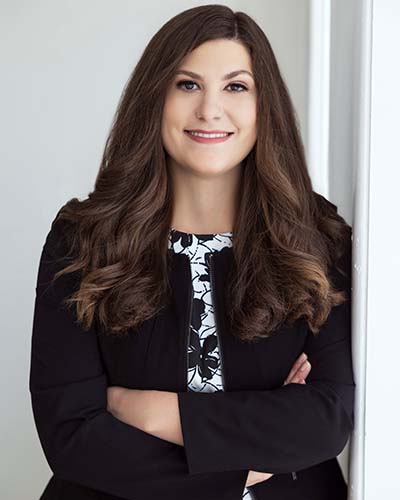
Alexandra M. Rockwood has been with the Law Offices of Randy S. Margulis & Associates since early 2020. She primarily practices in the areas of matrimonial and family law, including divorce, child custody, and child support. Alexandra is a practicing matrimonial and family law attorney as well as a trained social worker. This combination of…
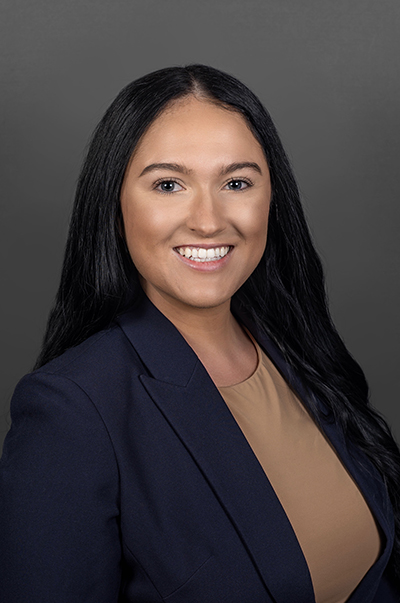
Ashleigh E. Lymburner is an Associate Attorney with the Law Offices of Randy S. Margulis & Associates, PLLC, and has been with the firm since August 2024. She primarily practices in the areas of matrimonial and family law, including divorce, child custody, and child support. Her experience includes serving a Judicial Externship under Judge Sharon…
-
 5.0/5.0
We use Mr Margulis for our estate planning and wills. He is exceptionally knowledgeable and communicates very well. We trust him with our trusts and will continue to use his services as long as we can. Thankfully we don’t need his divorce services,...
-
5.0/5.0
Divorce is always an unpleasant event and my case was no exception, yet the guidance, professionalism and ethical strategy that Randy Margulis provided was essential in finding the best solutions for my children, my ex-wife and myself. As the proces...
-
5.0/5.0
Divorce is always an unpleasant event and my case was no exception, yet the guidance, professionalism and ethical strategy that Randy Margulis provided was essential in finding the best solutions for my children, my ex-wife and myself. As the proces...
-
5.0/5.0
Randy Margulis is knowledgable of Domestic Law, dedicated, responsive, personable, aggressive and effective. I came to him on a friend's recommendation as well as Randy's reputation, and during the initial consultation I liked his approach and track ...
-
5.0/5.0
Found Mr. Margulis to be a very organized and professional individual to work with. He is well-respected by his peers and is spoken of highly, I believe this helped with my divorce and made things go smoothly. I would highly recommend his services ...